
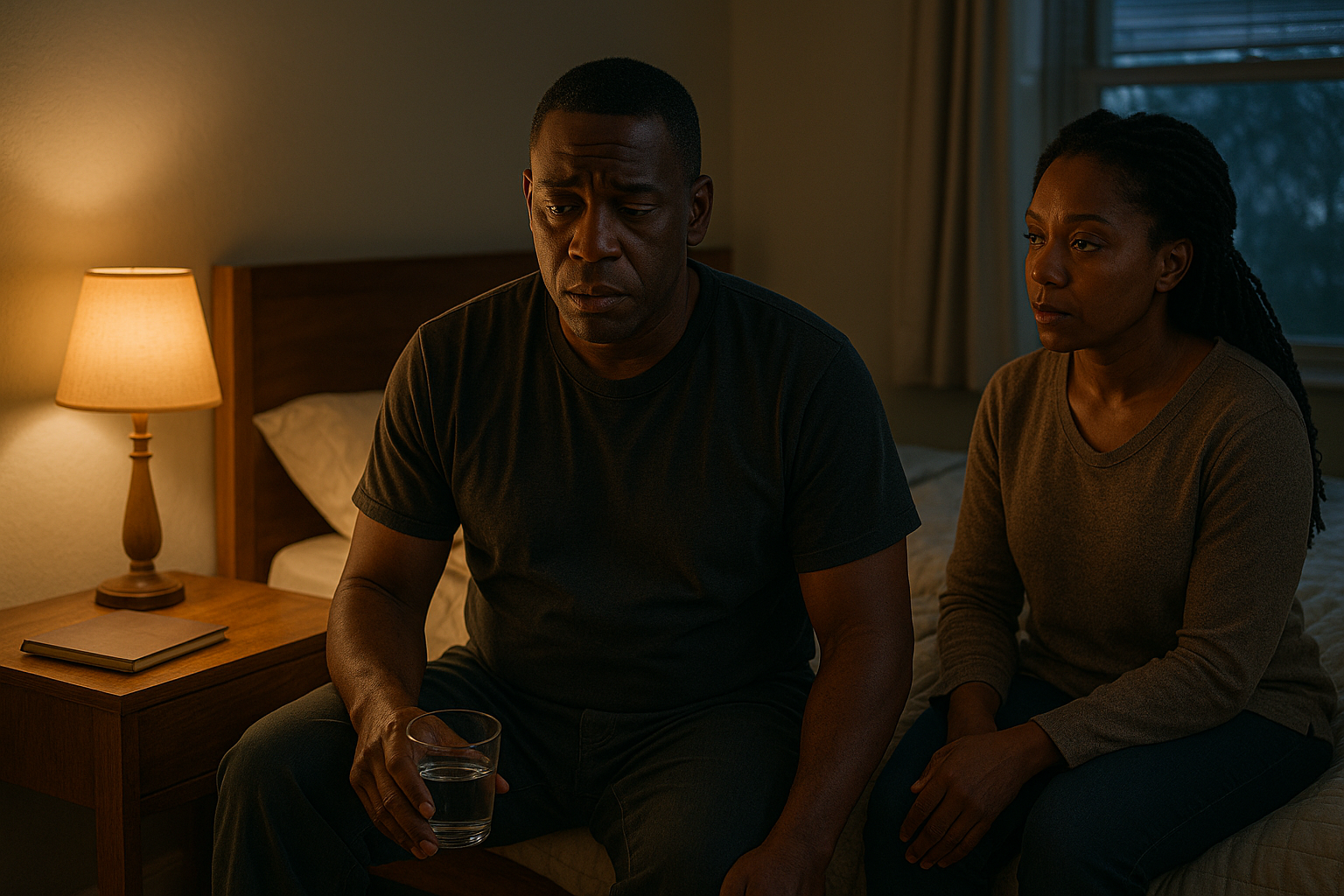
Combat-related nightmares can happen because the brain is still reacting to memories, emotions, and body alarms connected with trauma. They are not a sign of weakness or proof that you are losing control. Helpful steps may include creating a predictable bedtime routine, using grounding skills after waking, talking with a qualified professional, and getting support from people you trust. If nightmares are frequent, disrupt sleep, or affect daytime life, professional care is appropriate.
What do combat-related nightmares look like?
Nightmares after combat or other trauma do not always replay an event exactly. Some Veterans have dreams with familiar places, people, sounds, or feelings. Others wake with a strong sense of danger but cannot remember the dream clearly. The experience may include:
- Waking suddenly with fear, sweating, a racing heart, or muscle tension
- Dreams involving threat, helplessness, guilt, loss, or the need to protect someone
- Difficulty returning to sleep or fear of going back to bed
- Exhaustion, irritability, poor concentration, or emotional numbness the next day
- Avoiding sleep, bedrooms, darkness, certain sounds, or conversations about the dreams
Nightmares can also occur alongside other trauma-related reactions, such as unwanted memories, being constantly on guard, feeling detached, or avoiding reminders. Having some of these reactions does not by itself establish a diagnosis. A qualified clinician can help you understand what is happening.
Why can trauma cause nightmares?
Sleep is not simply an off switch. During sleep, the brain processes memories and emotions. After trauma, the nervous system may remain prepared for danger, even when the person is physically safe. Stress signals, unresolved fear, grief, anger, guilt, or changes in sleep patterns can influence dreams.
Nightmares may become more likely during stressful periods, after reminders of deployment or loss, or when sleep is already disrupted. Common reminders include anniversaries, news coverage, loud noises, smells, medical settings, crowded places, or relationship conflict. Alcohol and other substances may also disturb sleep and make nighttime symptoms more difficult to manage. This is not about blame; it is about noticing patterns that could be discussed with a healthcare professional.
What can a Veteran try after waking from a nightmare?
Reconnect with the present
Before analyzing the dream, help your body recognize that you are awake and in the current moment. Turn on a soft light. Name the date, your location, and three things you can see. Feel your feet on the floor or the texture of a blanket. Take slow breaths with a longer exhale, such as breathing in gently and out a little more slowly. You do not have to force yourself to feel calm; the goal is to orient to safety.
Use a simple, repeatable plan
Keep water, a clock, and a small light within reach. Write a brief reminder such as, “That was a dream. I am home now.” If returning to bed increases fear, sit somewhere comfortable and use a quiet activity until drowsiness returns. Avoid repeatedly checking every room or searching for an explanation in the middle of the night, since those actions can keep the alarm system active.
Record patterns without reliving details
The next day, note the approximate time, your stress level, sleep amount, and possible reminders. You do not need to write graphic details. A short log can help reveal connections and give a clinician useful information. Stop if tracking makes symptoms worse.
What may help over time?
A steady sleep-wake schedule, daytime movement, natural light earlier in the day, and a calming wind-down routine may support better sleep. Keep the bedroom as comfortable and predictable as possible. Reduce activities that increase alertness close to bedtime, including upsetting media, intense arguments, and heavy screen use if you notice they affect your sleep.
Evidence-based PTSD treatments can help people work with trauma-related memories, avoidance, sleep disruption, and nervous-system activation. A mental health professional may discuss trauma-focused psychotherapy or treatments specifically aimed at nightmares. Ask a licensed clinician or healthcare provider which options fit your history, health needs, and preferences. Do not start, stop, or change prescribed medication without speaking with the prescribing professional.
Related topics that may also help include grounding techniques, PTSD treatment options, and sleep problems after trauma. These subjects can be useful to explore with a provider or support person.
What can make nightmares or sleep worse?
- Using alcohol or other substances to force sleep or quiet memories
- Going for long periods without sleep and then trying to “catch up” irregularly
- Staying in bed for hours while wide awake and increasingly frustrated
- Avoiding all discussion or care because nightmares feel embarrassing
- Consuming disturbing news, videos, or online conversations late at night
These patterns are understandable attempts to cope, not moral failures. If a strategy gives short-term relief but causes more problems later, bring it up honestly with a healthcare professional.
When should someone seek professional help?
Consider making an appointment when nightmares happen repeatedly, interfere with work or relationships, lead to sleep avoidance, or continue after you have tried basic coping steps. Seek support sooner if you are using alcohol or drugs to sleep, feel increasingly hopeless, are isolating, or are having thoughts of harming yourself or someone else. A primary care provider, mental health professional, VA or community provider, or trusted military support resource can help identify next steps.
Caregivers and family members can offer practical support by listening without demanding details, asking what helps after a nightmare, and helping create a calm bedtime plan. A simple question such as, “Do you want company, quiet, or help getting oriented?” may be more useful than asking for a full explanation. Avoid grabbing or shaking someone awake unless there is immediate danger; speak calmly, give space, and follow the plan they have agreed to when awake. Encourage care without treating the Veteran as broken or helpless.
Faith, meaning, and spiritual support
For some Veterans, faith or spirituality provides meaning, connection, forgiveness, or a trusted community. A chaplain, faith leader, or spiritual-care professional may be supportive if that fits your beliefs. Spiritual care can be used alongside mental health treatment; it does not replace qualified clinical care, and no one should be pressured to use it.
When to get immediate help
If you may hurt yourself or someone else, cannot stay safe, or are in immediate danger, get help now. Veterans Crisis Line: Dial 988 then Press 1, text 838255, or use the VeteransCrisisLine.net chat. Call 911 for immediate danger. If possible, move away from weapons or other means of harm and ask a trusted person to stay with you while help is contacted.
Nightmares can feel like the past has entered the present, but you do not have to manage them alone. Small nighttime coping steps, supportive relationships, and evidence-based professional care can provide a path toward safer sleep and better days.
Trusted PTSD & Veteran Support Resources
This article is educational and is not a diagnosis or a substitute for professional care.
- VA National Center for PTSD
- VA PTSD Self-Help and Coping Resources
- Veterans Crisis Line — Dial 988 then Press 1; text 838255

0 Comments