

If busy places make you feel tense, trapped, watchful, or ready to leave, you are not weak and you are not alone. For some Veterans with PTSD, crowds activate the brain’s danger system even when the current setting is safe. The reaction may be connected to past experiences, a sense of limited escape, unexpected movement, loud sounds, or simply the loss of control that can come with being surrounded by people. With support, practical planning, and evidence-based PTSD treatment when needed, many people can gradually feel more choice and safety in public places.
Why can crowds feel unsafe after military or other trauma?
PTSD can change how the body and mind respond to reminders of danger. A crowded store, airport, stadium, parade, restaurant, or public transit station may contain details that your nervous system associates with threat. Those details do not have to be obvious or consciously remembered.
For a Veteran, a busy place might bring up sensations connected to deployment or another traumatic experience: people moving unpredictably, limited visibility, sudden noise, narrow exits, unfamiliar surroundings, or the need to monitor many things at once. The brain may respond as if danger is close, even when the present situation is ordinary.
This is sometimes described as a false alarm, but the experience feels very real. Your body is trying to protect you using information learned during a dangerous period. The alarm may be too sensitive now, but it is not a character flaw. PTSD symptoms are responses to trauma, not proof that you are incapable of living a full life.
What parts of a crowd can trigger the alarm system?
Triggers differ from person to person. Common examples include:
- People standing close behind you or moving quickly around you
- Being unable to see doors, windows, or open space
- Unexpected touches, shouting, alarms, or other sudden sounds
- Large gatherings where you cannot easily leave
- Waiting in lines, sitting with your back to a room, or entering an unfamiliar building
- Helicopters, fireworks, vehicles, uniforms, smells, or lighting that bring back strong memories
- Concern that other people may behave unpredictably
Sometimes the trigger is not a specific reminder. Sleep loss, pain, chronic stress, anniversaries, conflict, or a recent upsetting event can lower your tolerance for stimulation. A place that felt manageable last week may feel impossible today. That variation does not mean you are failing.
What does PTSD in crowds look or feel like?
Reactions can happen before you consciously identify what feels wrong. You may notice a quick shift in your body, thoughts, emotions, or behavior. Some people have one or two symptoms; others experience several at the same time.
Body and nervous-system signs
- Fast heartbeat, sweating, trembling, dizziness, nausea, or shortness of breath
- Muscle tension, jaw clenching, headaches, or feeling overheated
- A strong urge to scan the room, stand near an exit, or leave immediately
- Feeling frozen, numb, detached, or far away from what is happening
- Difficulty hearing conversation because you are monitoring everything around you
Thoughts and emotions
- Thoughts such as, “Something bad is about to happen” or “I need to get out”
- Irritability, anger, fear, shame, or sudden panic
- Difficulty trusting people or accepting reassurance
- Feeling trapped, exposed, watched, or unable to protect yourself
- Intrusive memories, distressing images, or a sense that the past is happening again
Changes in behavior
You may avoid restaurants, shopping centers, concerts, sporting events, airports, community gatherings, or appointments. You might shop only late at night, sit in a specific position, leave family events early, or ask someone else to handle errands. These strategies can provide short-term relief. Over time, however, avoiding more and more places can shrink your world and increase fear about returning.
Others may notice that you seem distant, impatient, overly alert, or unusually quiet. A Veteran can appear calm while internally working hard to stay regulated. Families and coworkers should avoid assuming that a person is being rude or difficult based only on what is visible.
How can the body learn safety again?
PTSD often involves a mismatch between past danger and present conditions. The survival system is designed to react quickly, not to conduct a detailed investigation. In a busy place, it may notice a sound, movement, or blocked view and send an emergency signal before the thinking brain has time to evaluate the situation.
The body then prepares for action. Adrenaline can increase heart rate, breathing, muscle tension, and attention. These responses were useful during genuine danger. In a safe crowd, they may feel confusing or overwhelming. Trying to force the reaction to stop can sometimes add another layer of fear: fear of losing control, embarrassing yourself, or never being able to go out again.
Recovery does not mean pretending that danger never exists. It means learning to distinguish current risks from trauma reminders, recognize choices, and tolerate manageable discomfort without automatically treating every alarm as an emergency. A qualified mental health professional can help with this process.
What can help Veterans feel safer in busy places?
There is no single technique that works for everyone. The goal is not to remain in a situation that is genuinely unsafe or to overwhelm yourself. The goal is to build practical control and gradually expand what feels possible.
Plan before you go
Preparation can reduce uncertainty. Before entering a crowded place, consider:
- What time is likely to be less busy?
- Where are the main exits, restrooms, quiet areas, or outdoor spaces?
- How will you get there and leave if you need a break?
- Can you attend with a trusted person who understands your plan?
- What is one realistic goal, such as staying for 15 minutes or completing one errand?
It can help to tell a companion exactly what support you want. For example: “If I become quiet and start scanning, please ask whether I want to step outside. Do not grab me from behind.” Specific instructions are often easier for loved ones to follow than a general request to help.
Choose a position that supports awareness without constant checking
Some people feel more settled when they can see an entrance or keep an open area nearby. You might choose a seat at the edge of a room rather than the center, stand where you are not surrounded, or avoid having people directly behind you. These choices are reasonable accommodations while you build confidence.
At the same time, constant scanning can keep the threat system activated. If you notice yourself repeatedly checking every person, door, or sound, gently bring attention back to one neutral detail. You might notice the temperature of your hands, the texture of a chair, or the words in a conversation. The aim is flexible awareness, not perfect vigilance.
Use grounding when the present starts to feel like the past
Grounding helps orient you to where and when you are. Try a simple sequence:
- Say silently or aloud, “I am in a store, not in the past. It is [today’s date].”
- Name five things you see, four things you feel, and three things you hear.
- Press both feet into the floor and notice the support beneath you.
- Look for a neutral object, such as a sign, shelf, tree, or cup, and describe its color and shape.
- Take a slower breath out than in, without forcing a deep breath if that feels uncomfortable.
Grounding is not a test. If counting makes you more distressed, use a simpler approach: place a hand on a cool surface, identify your location, and focus on one steady sound.
Make an exit plan without making escape the only solution
Knowing that you can take a break can reduce the sense of being trapped. Identify a quiet place and decide how you will communicate if you need to leave. Then, when conditions are safe, consider staying for a brief period after the first wave of anxiety begins to settle. Leaving immediately every time can teach the brain that the crowd was dangerous. Staying too long and becoming overwhelmed can do the same. A gradual, planned approach is often more useful than either extreme.
Practice in small, repeatable steps
With guidance from a clinician when appropriate, create a gradual list from easier to harder situations. You might begin by standing outside a quiet store with a trusted person, then enter for a short errand, then visit at a moderately busy time. Repeat steps until they become more familiar before moving to a greater challenge.
This kind of gradual practice should respect your limits and safety. It is not a command to push through severe distress or to confront every trigger at once. If you have dissociation, panic, significant medical concerns, or a history of becoming unsafe when overwhelmed, seek professional guidance before attempting more difficult exposure work.
What may make crowd reactions worse?
Some understandable coping habits can unintentionally strengthen the cycle of fear. Avoiding every busy place, relying on alcohol or other substances to get through outings, or repeatedly seeking reassurance may bring temporary relief but leave the underlying alarm unchanged. Skipping sleep, meals, hydration, or prescribed appointments can also make stress reactions harder to manage.
Trying to hide symptoms at any cost may increase shame and isolation. So can criticizing yourself with statements such as, “I should be over this” or “Other Veterans handle crowds.” Trauma responses are not a competition. Comparing yourself with someone else can distract from the support and pace that fit your situation.
Be cautious with advice that promises a quick cure, asks you to stop prescribed treatment, or presents supplements or unproven methods as established PTSD care. Discuss treatment decisions with a qualified health professional, and do not change medications without prescriber guidance.
When is professional help appropriate?
Consider reaching out when crowd-related fear interferes with work, school, medical care, relationships, travel, worship, errands, or activities that matter to you. Professional help is also appropriate when symptoms are frequent, worsening, connected with nightmares or intrusive memories, or accompanied by depression, anger, substance use, sleep problems, or thoughts of death.
A licensed mental health professional can assess what you are experiencing without assuming that every reaction has the same cause. Evidence-based PTSD treatments may include trauma-focused psychotherapies and other approaches selected with you. Treatment can also address panic, depression, insomnia, grief, moral injury, pain, or other concerns that affect how safe public places feel.
You can start by contacting a primary care provider, a mental health clinician, a community provider, or a Veterans health resource. If you have access to a therapist, you might say, “Crowds make me feel unsafe and I am avoiding places I need or want to visit. I would like help understanding this and learning ways to cope.” You do not have to describe every traumatic detail before asking for support.
How can loved ones support a Veteran in crowds?
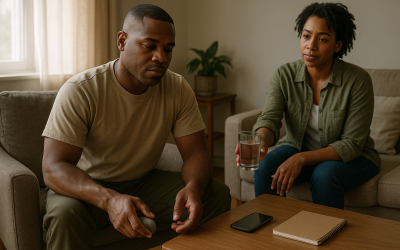
Begin with curiosity rather than pressure. Ask, “What would help you feel more comfortable right now?” and listen to the answer. Do not surprise the person with a crowded event, block an exit, touch them unexpectedly, or insist that they prove they are fine. These actions can increase the feeling of being trapped.
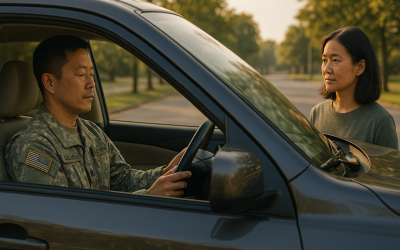
Offer choices: leave, move to a quieter area, pause in the car, or continue with a shorter plan. If the Veteran wants to stay, use a calm voice and brief reminders such as, “You are with me. We are at the store. We can step outside.” Avoid arguing about whether the situation is objectively safe while the person is highly activated. First help the body settle; discuss the experience later.
Support should not become total control or permanent avoidance. Encourage professional care and celebrate realistic steps rather than demanding quick progress. Family members may also benefit from counseling or education, especially when PTSD affects communication, parenting, sleep, or household routines.
Can faith or spirituality help?
For some Veterans, faith or spirituality provides meaning, connection, forgiveness, prayer, meditation, service, or a trusted community. A chaplain, faith leader, or spiritual-care professional may be helpful if that support feels safe and respectful. Spiritual support can complement mental health treatment; it does not replace qualified PTSD care. If a religious setting is crowded or activating, consider a quieter service, an online option, a private visit, or speaking with a leader about accommodations.
When to get immediate help
If you may hurt yourself or someone else, cannot stay safe, or are in immediate danger, call 911 or go to the nearest emergency department. Veterans Crisis Line: Dial 988 then Press 1, text 838255, or use the chat at VeteransCrisisLine.net. You can contact the line even if you are unsure whether your situation is a crisis.
A practical reminder for the next crowded place
Before you go, choose one small goal, identify a support person or quiet area, and decide how you will take a break. While there, notice the present, slow your exhale, and use grounding rather than judging yourself. Afterward, write down what helped and what made things harder. This information can guide your next attempt and give a clinician useful details.
Crowd-related PTSD symptoms can be powerful, but they do not have to define every public experience. You deserve support that respects your service, your history, and your pace. Learning more about PTSD triggers, grounding techniques, and trauma-focused treatment can be a useful next step as you decide what kind of help fits your life.
Trusted PTSD & Veteran Support Resources
This article is educational and is not a diagnosis or a substitute for professional care.
- VA National Center for PTSD
- VA PTSD Self-Help and Coping Resources
- Veterans Crisis Line — Dial 988 then Press 1; text 838255
0 Comments