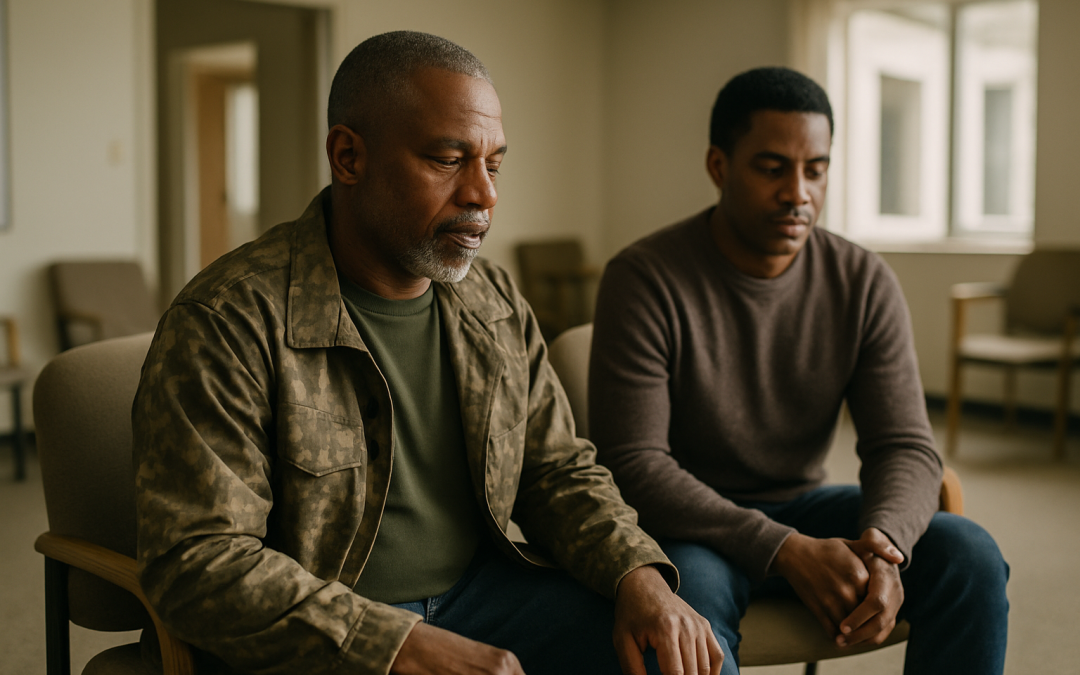
Hypervigilance can make a person feel watchful, tense, and unable to relax, even when no immediate danger is present. Learn why it happens after trauma, practical ways to respond, and when professional support may help.
For Fastes Contact Use the Webform

Hypervigilance can make a person feel watchful, tense, and unable to relax, even when no immediate danger is present. Learn why it happens after trauma, practical ways to respond, and when professional support may help.
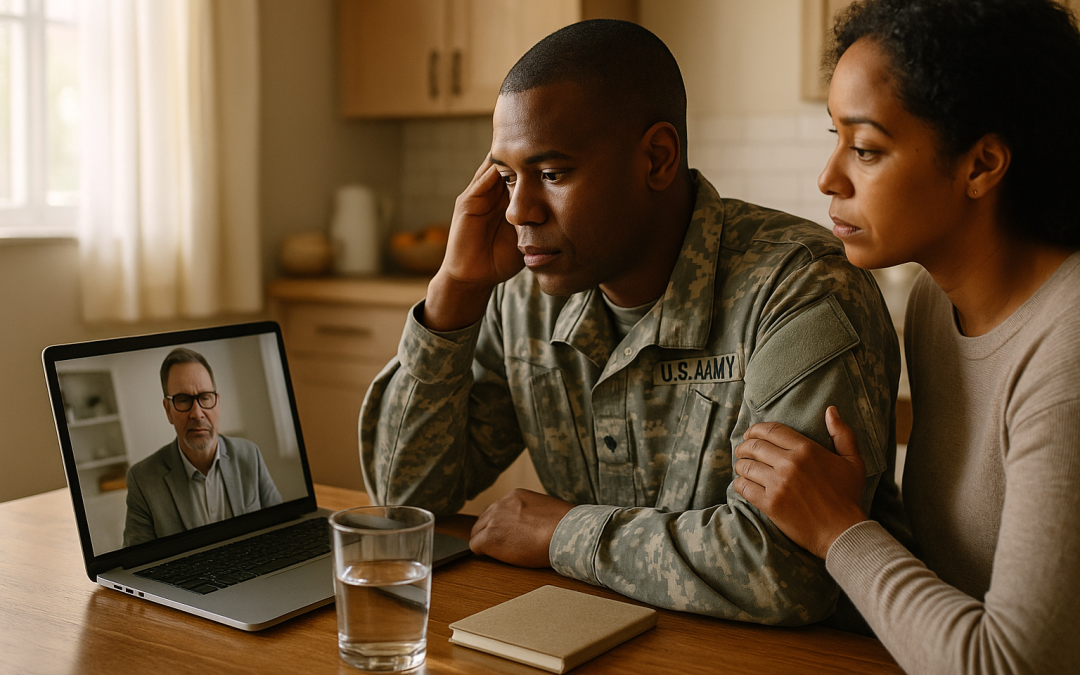
Combat PTSD can affect sleep, relationships, safety, and daily life long after deployment. Learn what reactions can mean, what may help, and when to seek support.

PTSD awareness campaigns are essential for educating the public about post-traumatic stress disorder and its effects on individuals and society. These initiatives aim to increase understanding, challenge misconceptions, and reduce stigma associated with PTSD. By enhancing public knowledge, these...

Post-Traumatic Stress Disorder (PTSD) is a mental health condition that can develop after exposure to traumatic events. Raising awareness about PTSD is crucial for educating the public about its symptoms and available treatment options. Awareness campaigns can help reduce stigma and encourage...

Advocating for increased PTSD research funding is essential to address the growing mental health crisis. Post-traumatic stress disorder (PTSD) is a severe condition that can develop after experiencing traumatic events such as combat, natural disasters, or assault. It impacts not only individuals...