

Combat PTSD is a stress response that can develop after military combat or other life-threatening experiences. If you are having nightmares, feeling constantly on guard, avoiding reminders, struggling with anger or numbness, or finding it hard to reconnect with people, support is available. These reactions do not mean you are weak or failing, and you do not have to manage them alone. A qualified mental health professional can help you understand what is happening and choose evidence-based PTSD treatment that fits your needs.
What is combat PTSD?
Combat PTSD, also called post-traumatic stress disorder related to combat, is a condition that may occur after exposure to combat, serious injury, death, sexual trauma, repeated threats, or other traumatic events during military service. Some people notice symptoms soon after an event. For others, symptoms appear months or years later, including after leaving the military.
Not every Veteran who experiences trauma develops PTSD. People respond differently based on many factors, including what happened, what support was available, previous experiences, sleep, ongoing stress, injuries, and the challenges of returning to civilian life.
Only a qualified professional can diagnose PTSD. Similar symptoms can also occur with depression, anxiety, traumatic brain injury, chronic pain, substance use, sleep disorders, or other health concerns. A careful evaluation can help identify the right kind of support.
What symptoms and signs can combat PTSD cause?
PTSD symptoms are often grouped into four areas. You may have symptoms from one area or several. They can vary in intensity and may become stronger during anniversaries, news events, conflict, loud sounds, crowded places, relationship stress, or other reminders.
Intrusive memories and reminders
- Unwanted memories, images, or thoughts about what happened
- Nightmares or disturbing dreams
- Feeling as if the event is happening again
- Strong emotional or physical reactions to reminders
- Difficulty concentrating because your mind feels pulled back to the past
A reminder does not have to be obvious. Fireworks, a helicopter, a smell, a particular road, a news report, or a crowded entrance can trigger a reaction before you consciously understand why.
Avoidance
A person may avoid people, places, conversations, news, movies, driving routes, crowds, medical appointments, or anything that brings up the trauma. Avoidance can bring short-term relief. Over time, however, it may make daily life smaller and teach the brain that more situations are dangerous than they really are.
Changes in mood, thinking, and relationships
- Feeling detached, numb, hopeless, ashamed, or persistently guilty
- Losing interest in activities that once mattered
- Difficulty feeling joy, trust, affection, or closeness
- Negative beliefs about yourself, other people, or the future
- Persistent anger, grief, fear, or sadness
- Memory gaps or trouble remembering parts of the experience
Some Veterans describe feeling like they are watching life from a distance. Others feel responsible for things they could not control or believe they no longer belong anywhere. These experiences can also overlap with moral injury, which involves deep distress related to actions, losses, betrayals, or situations that conflict with a person’s moral beliefs.
Changes in arousal and reactivity
- Being easily startled by sounds or movement
- Feeling constantly alert, watchful, or unsafe
- Irritability, anger, or sudden outbursts
- Difficulty sleeping or staying asleep
- Risk-taking or acting without thinking through consequences
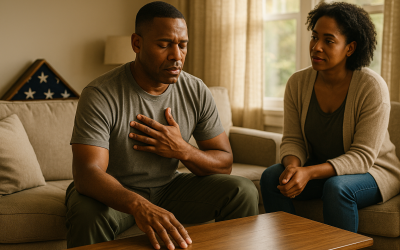
- Physical tension, a racing heart, sweating, or a tight chest
Hypervigilance can be useful during danger, but exhausting when it continues in ordinary settings. You may scan rooms, sit with your back to a wall, check locks repeatedly, or react strongly when someone approaches from behind.
Why can combat reactions continue after deployment?
During combat or other dangerous situations, the brain and body are designed to focus on survival. Attention narrows, senses become sharper, and the nervous system prepares to fight, flee, freeze, or shut down. After the danger has passed, the system may have trouble shifting fully back into a sense of safety.
This does not mean your brain is broken. It means a protective response may be continuing in situations where it is no longer needed. The brain can connect ordinary sights, sounds, smells, or body sensations with danger. Later, those reminders may activate the same alarm response even when you are physically safe.
Military training can also shape habits that were valuable in a combat zone but difficult in civilian life. Staying alert, controlling emotion, depending on your unit, and responding quickly can help during service. At home, the same patterns may affect sleep, communication, work, parenting, or relationships.
Delayed symptoms can happen for many reasons. A Veteran may have stayed focused on the mission, caring for others, or getting through the transition home. Symptoms may become more noticeable after retirement, a medical problem, a major loss, a job change, or reduced structure. Delayed symptoms are still real and worthy of care.
What may help with combat PTSD?
Many people improve with appropriate treatment and support, although there is no single cure or approach that works for everyone. Evidence-based PTSD treatments are available through qualified mental health professionals. These may include trauma-focused psychotherapies and other structured therapies designed to reduce symptoms, improve coping, and help you live according to your values.
A provider may ask about your symptoms, sleep, relationships, substance use, physical health, military experiences, and safety. You can ask what treatment they recommend, how it works, what choices you have, and how progress will be measured. You do not have to share every detail before you are ready, although honest information helps a provider plan safely.
Care may also include help for depression, anxiety, chronic pain, traumatic brain injury, substance use, or sleep problems. Medication may be considered by a qualified prescriber when appropriate. Do not start, stop, or change medication without speaking with the prescribing clinician.
Build a practical support plan
A support plan can make it easier to act when symptoms rise. Write down:
- Early warning signs, such as isolating, sleeping poorly, becoming short-tempered, or checking exits constantly
- Skills that help you settle, such as paced breathing, walking, calling someone, or stepping outside
- People you can contact and what you want them to do
- Professional contacts, crisis resources, and appointment information
- Steps for reducing access to anything you might use to hurt yourself during a crisis
Keep the plan in a place you can reach when you are tired or overwhelmed. If possible, include a trusted person in creating it.
What practical coping skills can help day to day?
Coping skills do not replace professional treatment, but they can help you get through difficult moments and make treatment easier to use.
Use grounding when you feel pulled into the past
Grounding helps you notice the present. Name five things you see, four things you feel, three things you hear, two things you smell, and one thing you taste. You can also place both feet on the floor and say, slowly: “I am here. That was then. This is now. I am in a safer place.” Use wording that feels believable to you.
Slow the body’s alarm response
Try breathing in gently and making the exhale a little longer than the inhale. Relax your jaw and lower your shoulders. If focusing on breathing increases distress, switch to noticing your feet, the chair beneath you, or objects in the room. The goal is not to force calm; it is to give your nervous system another signal.
Protect sleep without demanding perfection
Keep a reasonably consistent sleep and wake schedule. Reduce late-day caffeine if it affects you, create a quiet wind-down routine, and keep the bedroom associated with rest when possible. If nightmares or insomnia continue, tell a healthcare professional. Avoid using alcohol or other substances as a sleep strategy; they can disrupt sleep and worsen mood, irritability, and PTSD symptoms.
Use structure and manageable activity
Trauma can make the future feel uncertain. A short daily plan can restore a sense of control. Choose one necessary task, one physical activity, and one supportive connection. A walk, household project, workout approved for your health needs, meal with someone you trust, or appointment can count. Begin with achievable steps rather than trying to fix everything at once.
Notice triggers and patterns
Briefly record what happened before a difficult reaction, what you felt in your body, what you thought, and what helped. This is not about judging yourself or documenting every trauma detail. It can help you and your provider recognize patterns and prepare for predictable triggers.
What can make combat PTSD worse?
Several habits can provide immediate relief while increasing problems over time. Drinking heavily, misusing prescription or street drugs, isolating from everyone, staying constantly busy, sleeping at irregular times, and avoiding all reminders may intensify symptoms or delay care. Anger can also become a way to keep people at a distance, but repeated shouting, threats, or unsafe behavior can damage relationships and create new danger.
News and social media may repeatedly activate your nervous system. Consider setting boundaries around when and how much you watch. You can stay informed without exposing yourself all day. If a particular activity reliably causes severe symptoms, discuss it with a professional rather than forcing yourself through it alone.
Be cautious about treatments advertised as instant cures or guaranteed fixes. Supplements, unproven therapies, and advice from people without appropriate qualifications may be ineffective or unsafe. Ask a licensed healthcare professional about any treatment you are considering.
When is professional help appropriate?
Consider reaching out when symptoms last, interfere with work or relationships, affect sleep, lead to substance use, or make you avoid important parts of life. You do not need to wait until symptoms become unbearable. Professional help is also appropriate if you feel persistently hopeless, disconnected, unusually angry, unable to function, or worried about your behavior.
A primary care clinician, VA or community mental health provider, licensed therapist, psychiatrist, psychologist, social worker, or other qualified professional can help you explore options. If you are not comfortable with the first provider, you can ask about another clinician or a different treatment approach. Finding a good fit may take time.
Tell a provider about sleep problems, pain, traumatic brain injury concerns, alcohol or drug use, and any thoughts of harming yourself or someone else. These details are important for safe care. If you are supporting a service member, encourage an appointment without presenting it as a punishment or a sign of weakness.
How can loved ones respond to a Veteran with combat PTSD?
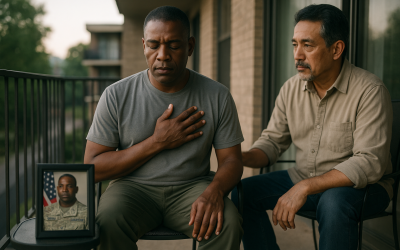
Family members and caregivers can help by being steady, respectful, and clear. You do not need to understand every detail of combat to offer support. Listen without pressing for graphic details. Try saying, “I believe you,” “You are not alone,” or “What would help you feel safer right now?”
Ask what triggers are difficult and what kind of help is welcome. Some people want quiet company, a ride to an appointment, help with children, or a reminder to eat. Others need space. Agree on a simple signal or plan for moments when the Veteran is overwhelmed.
Encourage professional care, but avoid arguing, diagnosing, or demanding that the person “move on.” PTSD symptoms are not a character flaw. At the same time, understanding PTSD does not require accepting threats, violence, intimidation, or ongoing substance-related harm. Set clear boundaries and seek help if you feel unsafe.
Caregivers need support too. Maintain your own sleep, medical care, friendships, and activities. Consider speaking with a counselor or joining a support group for families affected by trauma. You cannot be a person’s only source of care.
Can faith or spirituality be part of recovery?
For some Veterans, faith or spirituality provides meaning, connection, forgiveness, service, or a way to carry grief. A trusted chaplain, faith leader, spiritual care provider, or community may be supportive if you choose. Others may not identify with religion, and that choice deserves respect. Spiritual support can complement professional PTSD care; it does not replace evaluation or treatment.
When to get immediate help
If you may hurt yourself or someone else, cannot stay safe, or are in immediate danger, get help now. Veterans Crisis Line: Dial 988 then Press 1, text 838255, or use VeteransCrisisLine.net chat. Call 911 for immediate danger.
If possible, move away from weapons, medications, alcohol, or other means of harm and go where another safe person is present. Tell someone directly: “I am not safe alone right now.” If you are concerned about another person, stay with them when it is safe to do so, contact emergency help, and do not promise to keep imminent danger secret.
You deserve support after combat
Combat PTSD can affect the body, thoughts, emotions, sleep, relationships, and sense of identity. It can also be treated and managed with the right support. Reaching out does not erase your service or change what you endured. It is a practical step toward having more choices in the present.
Start with one action: tell someone you trust what has been happening, schedule an appointment, write down your symptoms, or make a safety plan. If you want to learn more, related topics such as grounding techniques, hypervigilance, and moral injury may help you understand specific parts of the experience. You do not have to take every step today. One safe step is enough to begin.
Trusted PTSD & Veteran Support Resources
This article is educational and is not a diagnosis or a substitute for professional care.
- VA National Center for PTSD
- VA PTSD Self-Help and Coping Resources
- Veterans Crisis Line — Dial 988 then Press 1; text 838255
0 Comments