
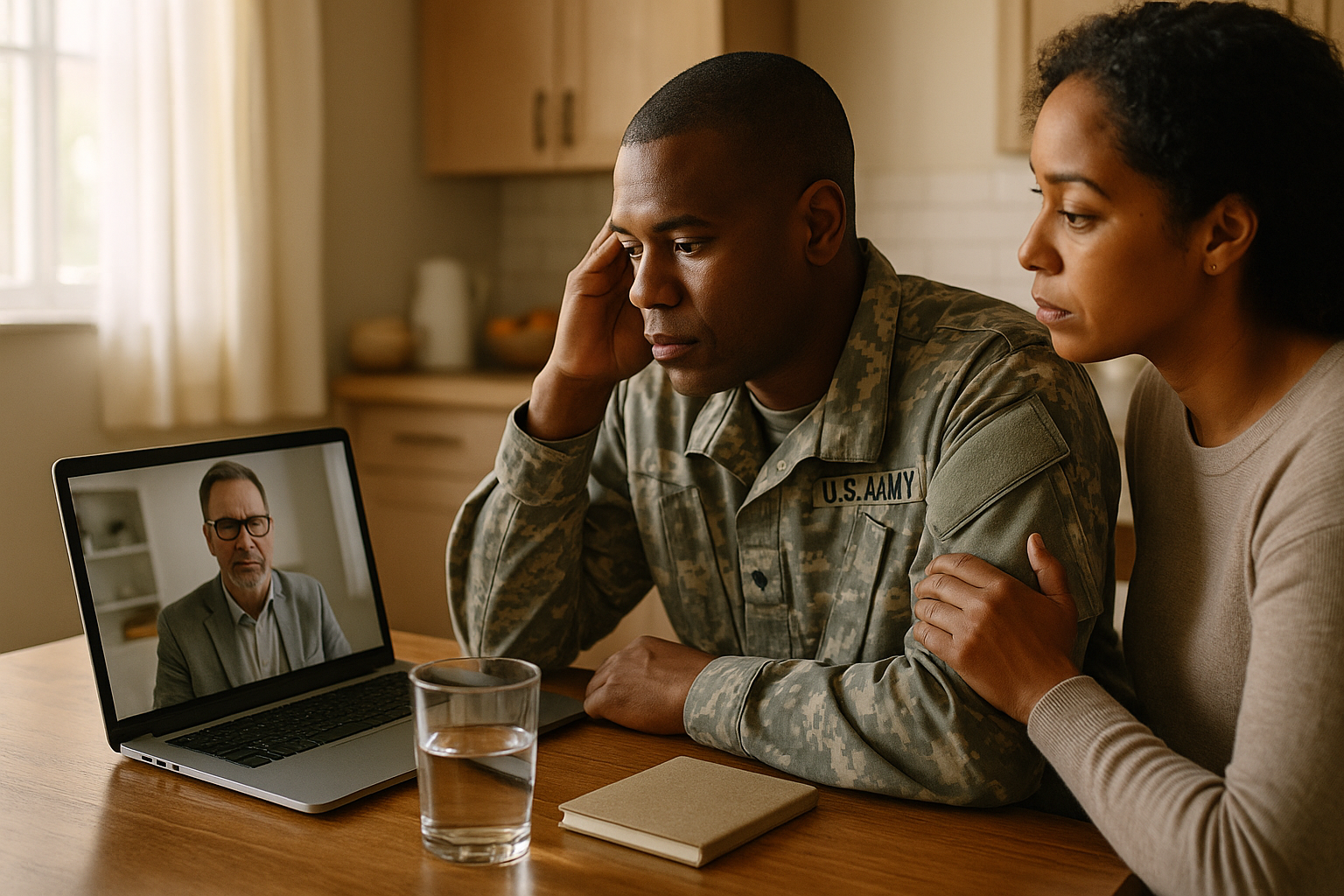
Combat PTSD can develop after military experiences that overwhelmed your sense of safety, control, or connection. It may involve unwanted memories, nightmares, avoidance, irritability, numbness, guilt, sleep problems, or feeling constantly on guard. These reactions are not a sign of weakness, and they are not a diagnosis by themselves. Effective, evidence-based treatments and practical supports can help many people regain steadiness, improve relationships, and reconnect with meaningful parts of life. If symptoms are interfering with daily functioning, relationships, work, sleep, or safety, consider talking with a qualified mental health professional who understands military and combat experiences.
What is combat PTSD?
Combat PTSD is post-traumatic stress that follows exposure to combat or other military trauma. A person may have experienced direct danger, witnessed injury or death, responded to a crisis, lost friends, feared for a unit, or lived for long periods under threat. Trauma can also include events that do not fit a simple picture of a battlefield. Military sexual trauma, serious training accidents, moral injury, repeated exposure to disturbing situations, and witnessing harm can all affect mental health.
Post-traumatic stress is more than remembering something difficult. The nervous system may continue responding as though danger is present, even when the person is now physically safe. A Veteran may understand intellectually that a situation is not a combat zone while still feeling tense, watchful, angry, detached, or ready to react. Symptoms can begin soon after an event, emerge months or years later, or become more noticeable after retirement, illness, loss, injury, changes in work, or other major transitions.
Not everyone exposed to combat develops PTSD. People can have strong reactions for a time and gradually recover. Others may experience symptoms that persist or return. There is no single correct timeline and no shame in needing help.
What are the signs and symptoms?
Symptoms often appear in groups. A person can have some symptoms from each group, or one group may be especially noticeable. Only a qualified clinician can evaluate PTSD or another mental health condition. These signs can also occur with depression, anxiety, traumatic brain injury, chronic pain, sleep disorders, substance use, grief, or medical problems, so a careful assessment matters.
Intrusive memories and reminders
Combat-related memories may arrive without warning. They can take the form of distressing thoughts, nightmares, vivid sensations, emotional reactions, or feeling as if part of the event is happening again. A sound, smell, news report, anniversary, crowded room, fireworks display, driving situation, or conversation may act as a reminder. Sometimes the trigger is not obvious. The reaction may appear out of proportion to the present moment because the body has learned to associate a cue with danger.
For example, a Veteran may hear a car backfire and suddenly feel their heart race. Another person may wake from a nightmare sweating and confused, even though the bedroom is quiet. Someone else may become upset when a movie shows a military scene and then avoid the rest of the evening. These reactions are real, but they do not necessarily mean the person is losing control or reliving every detail accurately.
Avoidance
Avoidance can provide short-term relief. A person may avoid driving, crowds, certain people, military conversations, news, movies, medical appointments, sleep, or places associated with deployment. Some avoid emotions by staying busy constantly. Others avoid closeness because relationships feel unsafe or because they fear burdening family members.
Avoidance can become limiting when it keeps a person from work, health care, friendships, recreation, or ordinary responsibilities. It can also prevent the brain from learning that a present-day situation is different from the original danger. Helpful treatment usually approaches avoided experiences gradually and safely rather than forcing someone to discuss trauma before they are ready.
Changes in mood, thinking, and connection
PTSD may bring persistent fear, anger, shame, guilt, sadness, emotional numbness, or hopelessness. Some Veterans describe feeling distant from family, unable to enjoy activities, or disconnected from their former identity. Others struggle with thoughts such as, “I should have done more,” “I cannot trust anyone,” or “The world is always dangerous.”
Survivor guilt and moral distress can be especially painful. A person may question decisions made under pressure, grieve people who did not come home, or feel responsible for outcomes that were not fully within their control. These experiences deserve compassion and careful support. They should not be reduced to a character flaw or dismissed with simple reassurance.
Changes in arousal and reactivity
The body may remain prepared for danger. Signs can include being easily startled, scanning rooms, sitting with a clear view of exits, irritability, angry outbursts, difficulty concentrating, restless sleep, or a strong reaction to unexpected touch. Some people feel tense in public, sleep with lights on, repeatedly check doors, or become uncomfortable when someone stands behind them.
Hypervigilance may once have helped someone survive. In civilian life, however, staying on high alert can exhaust the body and strain relationships. A partner may interpret scanning or irritability as rejection. A child may feel frightened by a sudden reaction. Recognizing the protective purpose of a response can help reduce shame while still making room to learn safer, more flexible responses.
Why can combat reactions happen long after service?
During danger, the brain and body prioritize survival. Attention narrows, stress hormones rise, and rapid action can matter more than reflection. After the threat ends, most people gradually adjust, but some nervous systems remain sensitized. The body may react to reminders before the thinking brain has time to assess the present situation.
Military training can strengthen useful habits such as scanning, controlling emotion, moving quickly, and preparing for worst-case outcomes. Those habits may be appropriate in a combat environment but difficult to turn off at home. A service member can also return to a setting where others do not understand what happened, where ordinary problems feel trivial, or where there is pressure to appear unaffected.
Symptoms may surface later because deployment demands left little room to process emotions. A person may function through a mission, raise children, work long hours, or care for others before symptoms become harder to contain. Retirement, a painful anniversary, the death of a fellow service member, a new diagnosis, relationship conflict, or reduced structure can remove distractions that previously helped the person cope.
PTSD is not caused by weakness, poor discipline, or failure to “move on.” Risk and recovery are influenced by many factors, including the nature and duration of the trauma, previous experiences, injuries, sleep, social support, ongoing stress, substance use, and access to care. None of these factors determines a person’s future.
What may help with combat PTSD?
Many people benefit from evidence-based PTSD treatment delivered by a licensed or otherwise qualified professional. Common approaches include trauma-focused psychotherapies such as cognitive processing therapy, prolonged exposure, and eye movement desensitization and reprocessing. Other structured therapies may address sleep, anger, anxiety, depression, grief, relationships, or moral injury. A clinician can explain options, expected benefits, possible discomfort, and how to make treatment fit the person’s needs.
Treatment does not require a Veteran to tell every detail immediately. Good care begins with safety, trust, goals, and pacing. It may include learning how to manage distress before discussing traumatic memories in depth. If one approach does not feel appropriate, that does not mean care cannot work. Tell the clinician what is helping, what feels overwhelming, and what you want to change.
Medication may be part of care for some people, especially when PTSD occurs with depression, anxiety, sleep problems, or other conditions. Medication decisions belong with a qualified prescriber. Do not start, stop, or change a medication without medical guidance. Counseling, peer support, family support, and medication can sometimes be used together, but each person needs an individualized plan.
Related topics that may also be useful include hypervigilance, moral injury, and sleep problems after trauma. These concepts overlap with PTSD but are not identical to it. Learning the differences can help a Veteran describe what is happening more clearly during an appointment.
Practical coping strategies for daily life
Coping skills do not cure PTSD, but they can reduce distress and support recovery. Try one or two strategies at a time rather than treating self-care as another mission to complete.
Orient to the present
When a reminder causes a surge of fear, quietly name the current facts: your location, the date, the people with you, and what is different now. Look around and identify several neutral objects. Place both feet on the floor and notice its support. You might say, “That was then. I am here now. I am in my home, and this moment is different.” This is not pretending the past did not happen. It is helping the nervous system update its information.
Use steady breathing without forcing it
Slow, comfortable breathing can help reduce the physical intensity of stress. Breathe in gently and let the exhale last a little longer, if that feels comfortable. Avoid turning breathing into a test or becoming alarmed if your body does not settle immediately. A grounding exercise involving touch, temperature, sound, or movement may work better for some people.
Build predictable routines
Regular wake times, meals, movement, appointments, and wind-down periods can give the nervous system useful signals of stability. Keep goals realistic. A short walk, a shower, preparing food, or answering one message may be a meaningful step on a difficult day. Include activities that provide purpose, connection, mastery, or rest.
Make sleep more trauma-informed
Nightmares and fear of sleep can create a cycle of exhaustion and irritability. Consider a consistent wind-down routine, reduced stimulating media before bed, and a bedroom arrangement that feels safe without reinforcing endless checking. If nightmares, insomnia, breathing problems, pain, or medication effects are persistent, discuss them with a health professional. Do not assume every sleep problem is simply PTSD.
Plan for triggers
Notice patterns without blaming yourself. Write down what happened before a reaction, what you felt in your body, what you did next, and what helped even slightly. For a crowded event, you might choose an exit location, attend with a trusted person, take breaks, and decide in advance that leaving is allowed. The goal is informed choice, not perfect control.
Choose connection carefully
Tell a trusted person what support looks like. You may want them to sit nearby, avoid surprise touch, ask before discussing military news, or remind you of the present. Peer support can reduce isolation, especially when a person wants to speak with someone who understands military culture. Privacy and boundaries matter; no one has to share details before they are ready.
What can make symptoms worse?
Alcohol and drugs may seem to quiet memories, help with sleep, or reduce tension for a short time, but they can worsen sleep, mood, irritability, relationships, and safety. They can also interfere with treatment or create additional health problems. If substance use has become difficult to control, seek nonjudgmental professional support. The same is true for compulsive behaviors, reckless driving, gambling, or constant overwork used to escape distress.
Isolation, skipping meals, severe sleep deprivation, repeated exposure to upsetting media, and refusing all medical care can also increase vulnerability. So can treating every bodily stress response as proof that danger is present. Avoidance is understandable, but expanding it can shrink daily life. A clinician can help create a gradual plan that respects readiness and safety.
Anger deserves attention rather than condemnation. Anger may communicate fear, grief, injustice, pain, or loss of control, but yelling, threats, intimidation, or violence can harm others and place the Veteran at risk. If you are afraid you may hurt someone, create distance, put down anything that could be used as a weapon, and seek immediate help. A safety plan can identify warning signs, trusted contacts, calming actions, and places to go before a crisis peaks.
When is professional help appropriate?
Consider professional care when symptoms last, return repeatedly, or interfere with sleep, work, school, parenting, relationships, health, or enjoyment. Help is also appropriate when you are avoiding important parts of life, using substances to cope, experiencing persistent guilt or hopelessness, having panic, or feeling unable to control anger. You do not need to wait until symptoms become severe, and you do not need a formal diagnosis before asking for an evaluation.
Start with a primary care clinician, a mental health professional, a Veterans health resource, a military treatment setting, or a community provider familiar with trauma and military culture. Ask how the provider treats PTSD, how they handle safety concerns, and what the first visits will involve. If you are a family member, you can encourage care without demanding a confession or threatening consequences. “I have noticed you are sleeping poorly and carrying a lot. I care about you, and I will help you find support” may be more effective than “You need to get over this.”
When to get immediate help
If you may harm yourself or someone else, cannot stay safe, are in immediate danger, or are experiencing a severe crisis, seek help now. Veterans Crisis Line: Dial 988 then Press 1, text 838255, or use VeteransCrisisLine.net chat. Call 911 for immediate danger. If possible, move away from weapons or other means of harm, stay with a trusted person, and tell responders clearly that you are a Veteran or service member experiencing a mental health emergency.
Thoughts of suicide can be passive, such as wishing you would not wake up, or active, such as thinking about a method or time. Both deserve immediate attention. Do not keep a safety crisis secret. A family member or friend who is worried should ask directly and calmly about immediate safety, listen without arguing, and help connect the person to emergency support.
How can loved ones respond to a Veteran with PTSD?
Learn about PTSD while remembering that every person’s experience is different. Listen more than you lecture. Avoid forcing disclosure, minimizing symptoms, or treating the Veteran as broken. Ask what helps during a trigger and what does not. Agree on practical signals, such as a phrase that means “I need a break,” and discuss where each person can go to cool down safely.
Boundaries are caring, not disloyal. A partner can say, “I want to support you, but I will not stay in a conversation that includes threats or yelling. We can continue when we are safe.” Children need simple, age-appropriate reassurance that the Veteran’s reactions are not the child’s fault and that adults are responsible for safety. Family therapy may help when symptoms affect communication, parenting, intimacy, or trust.
Caregivers need support too. Maintain sleep, medical appointments, friendships, and activities when possible. You cannot monitor another adult every moment or provide all treatment alone. If you feel unsafe, contact emergency services or a domestic violence resource and make a safety plan that fits your circumstances.
Can faith or spirituality be part of recovery?
Faith and spirituality can be sources of meaning, forgiveness, community, identity, and hope. A trusted chaplain, faith leader, or spiritual care provider may help someone explore grief, moral questions, or a changed sense of purpose. Support should be inclusive and respectful of religious, spiritual, and nonreligious perspectives. Faith can complement mental health care; it does not replace qualified PTSD treatment or emergency help.
Moving forward with support
Combat PTSD can change how a person sleeps, thinks, reacts, connects, and understands the world. It does not erase service, courage, responsibility, or the possibility of a meaningful future. Recovery is not forgetting what happened or proving that it no longer matters. It can mean learning to recognize present safety, making room for grief, reducing avoidance, repairing relationships, and choosing actions that reflect who you want to be now.
Begin with one safe next step: tell a trusted person, schedule an evaluation, ask about evidence-based treatment, attend a peer support meeting, write a safety plan, or discuss sleep and substance use with a clinician. If the first attempt feels difficult, try another door. Reaching out is not surrender. It is a practical act of protection for you and the people who care about you.
Trusted PTSD & Veteran Support Resources
This article is educational and is not a diagnosis or a substitute for professional care.
- VA National Center for PTSD
- VA PTSD Self-Help and Coping Resources
- Veterans Crisis Line — Dial 988 then Press 1; text 838255
0 Comments